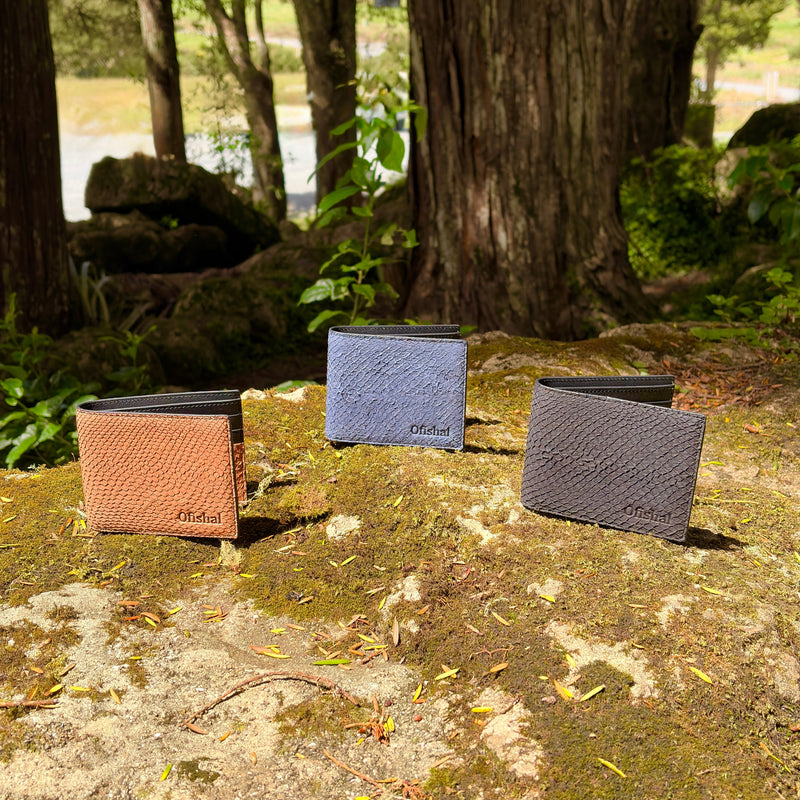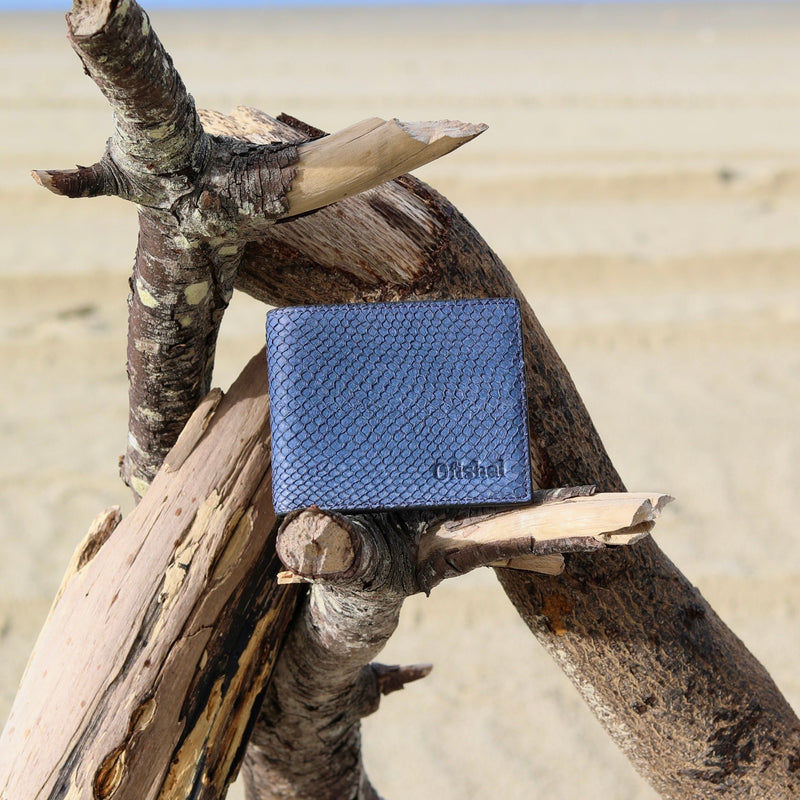

Every wallet brand claims durability. So we tracked what actually happens to ours over time, and what the underlying material science says about why.
The structure behind the strength
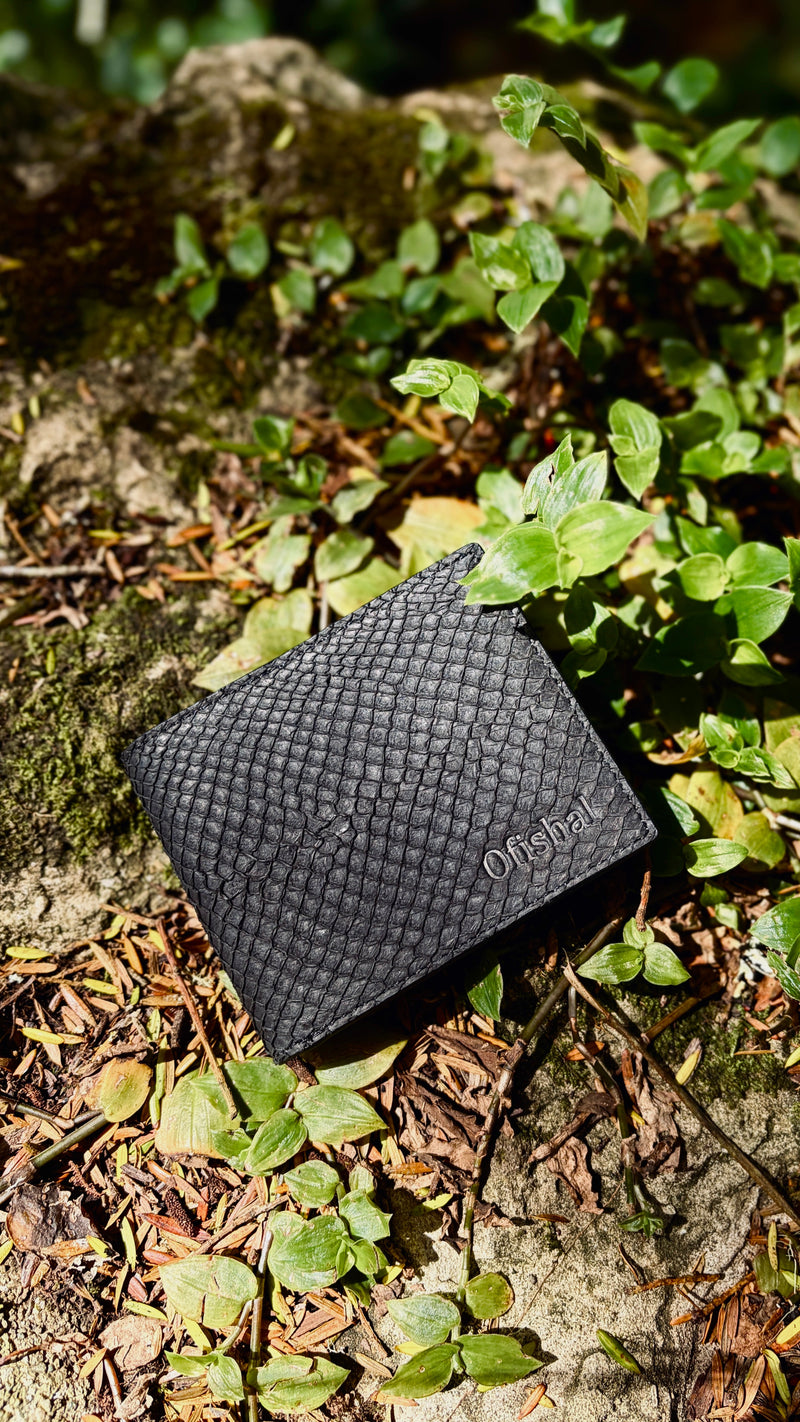
Fish skin has a crosshatched, multi-directional fibre structure, unlike the more uniform grain of cowhide. That crosshatching is what gives it strength relative to its thickness — we go into the detail in why fish leather is stronger than cow leather.
What daily carry actually does to a wallet
Most wallet failure doesn't come from one dramatic event — it's repetition. Opening and closing thousands of times, sitting on it in a back pocket, friction against keys and coins. This is where cheap leathers show cracking along the fold line first.
What we saw
Across wallets in daily use for 12+ months, the main wear points — the fold and the card slot edges — showed smoothing and slight colour deepening (a natural patina) rather than cracking or splitting. The scale texture, if anything, became more pronounced with use.
Why care still matters
Durability isn't a substitute for basic maintenance. Keeping leather away from prolonged moisture and conditioning it occasionally extends its life significantly — our full breakdown is in how to care for fish leather.
The bottom line
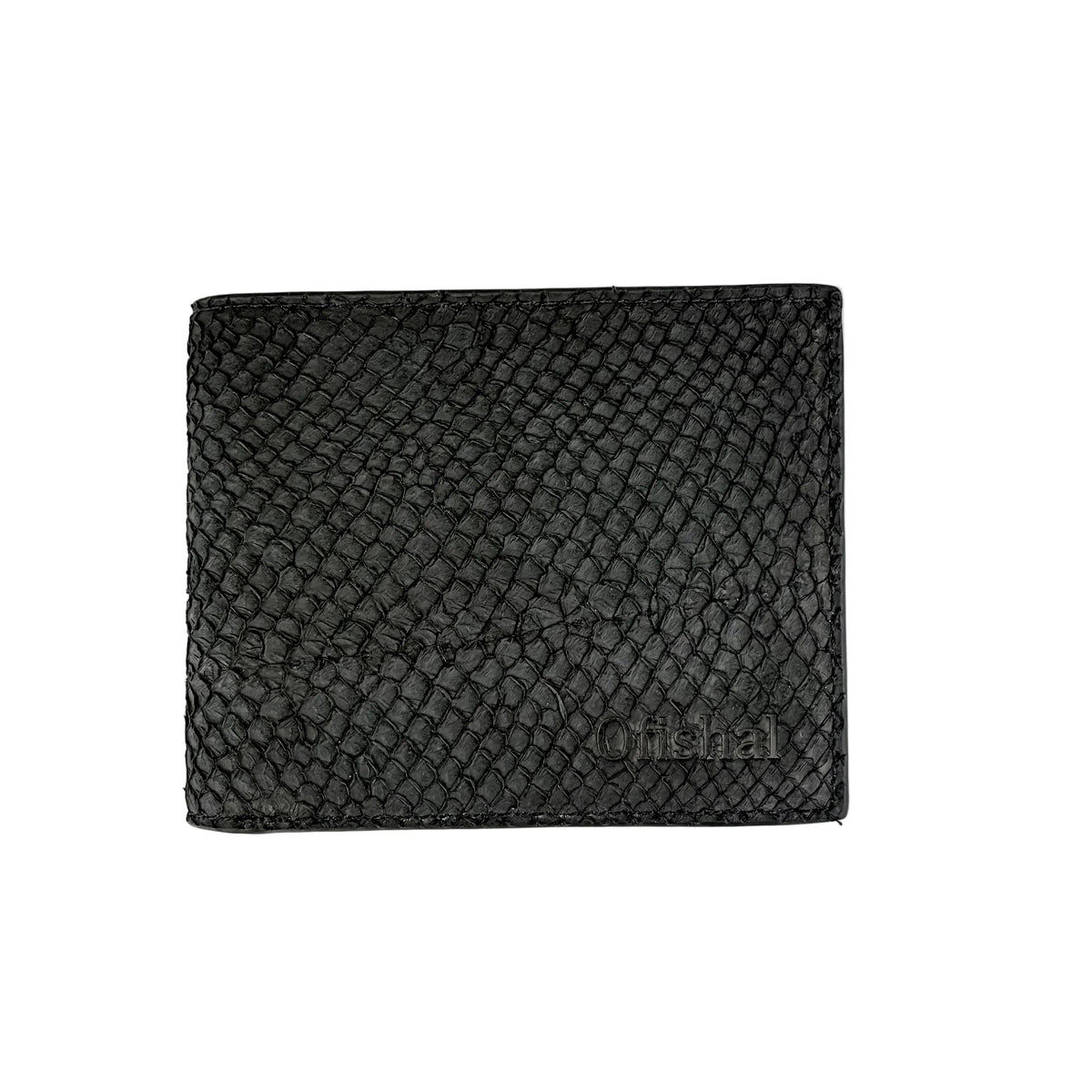
A well-made fish leather wallet, cared for reasonably, should comfortably outlast a cheap cowhide wallet and most PU alternatives. If you want to see the construction that holds up to this kind of daily use, check out the Fish Leather Bifold Wallet.